Drift tyres, explained: why that chunk of plastic costs £14
Compounds, shore hardness, CS, P6, ABS tubes and why the tyre is the single variable that decides whether you have a good night.
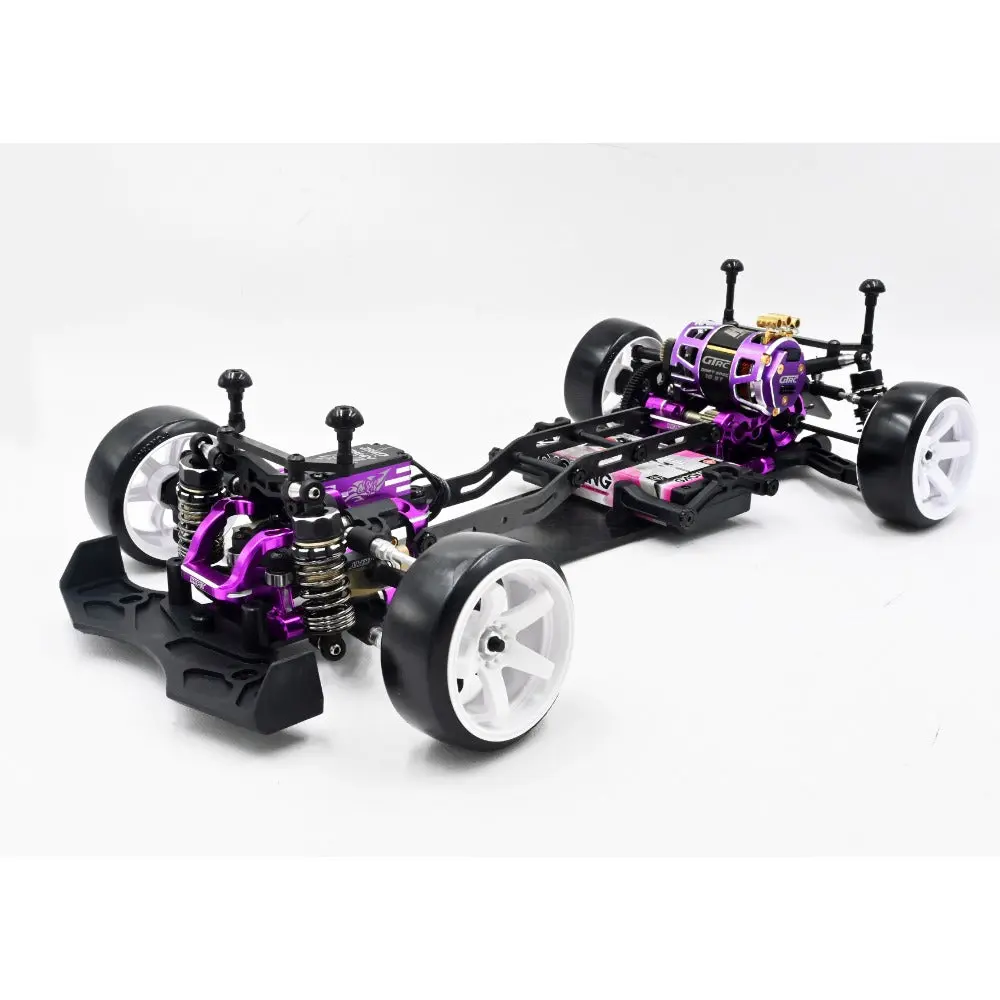
Nine drift problems out of ten are a tyre problem wearing a gyro problem's clothes. Before you buy another hop-up for the car, read this once and save yourself £200.
Compound, in one sentence
The tyre compound is a number — often a shore hardness reading, sometimes a letter code like CS or P6 — that tells you how much grip the tyre is trying to have on your surface. Higher number, harder tyre, less grip, faster rotation. Lower number, softer tyre, more grip, slower rotation, more throttle needed.
The two common families
CS (Competition Spec) tyres are hard plastic sleeves, often with no visible tread, designed to slide in long predictable arcs on carpet. They are the dominant choice at UK indoor tracks. Typical shore is 38–42.
P6 tyres are slightly softer, with a little more mechanical grip, and are forgiving for new drivers. If you are building your first car and do not know your track, buy P6 first.
ABS inserts
Most competition tyres run with an ABS insert — a hard tube inside the rubber — to stabilise the sidewall. Without it the tyre walks, judders and rolls on fast transitions. Budget for inserts when you buy the tyres. They are not optional.
How often to change
On carpet a set of CS tyres will last about 8–12 sessions before the leading edge glazes enough to lose angle. On tarmac they last one weekend. On concrete, a night. This is why most UK drivers run carpet.
The short shopping list
Four tyres, four inserts, one tube of tyre cleaner, one roll of masking tape for wheel marking. £50 and you are sorted for two months.
Kit to build what you just read
All drift gear →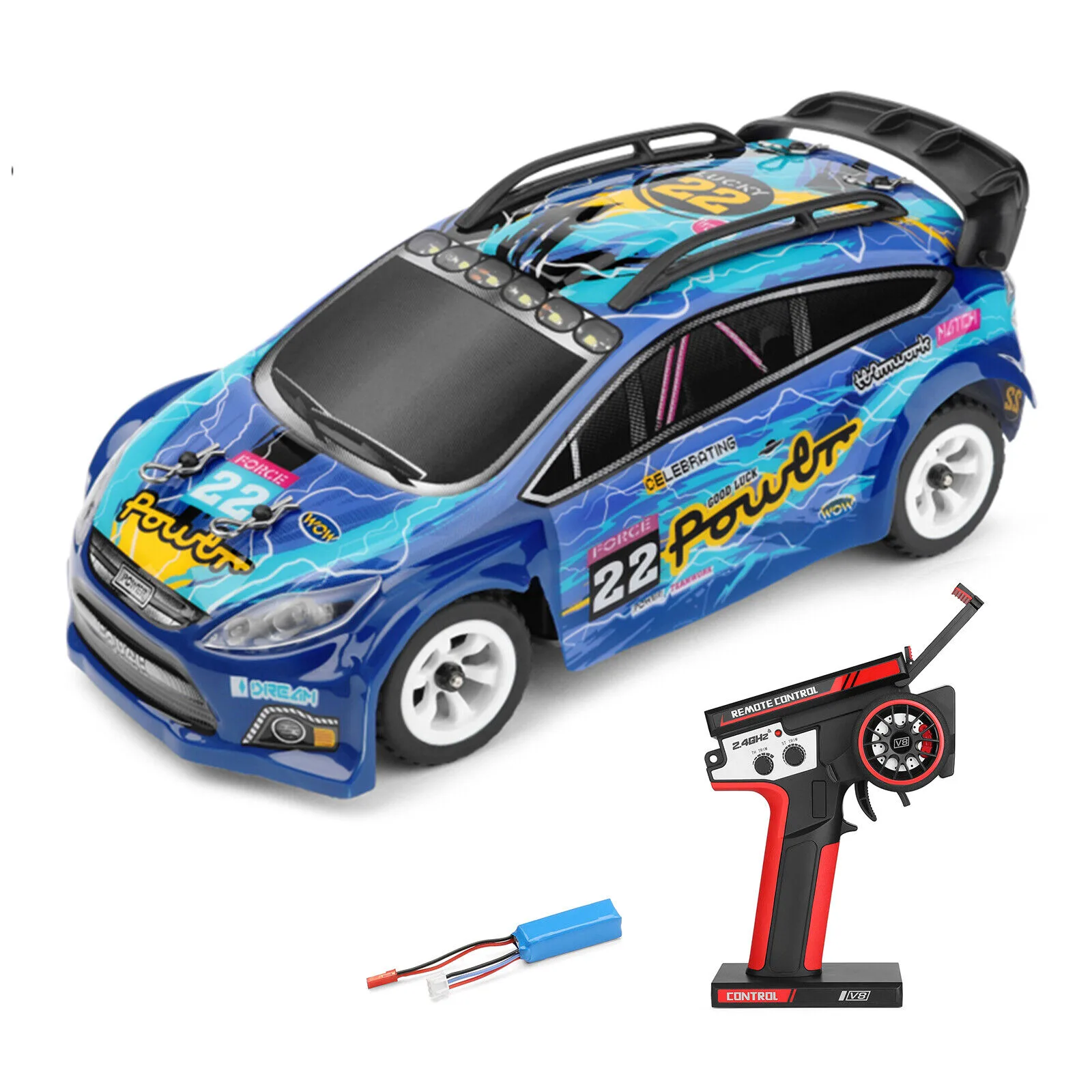 Save 25%
WLtoys 284010 2.4G RC mini drift car
£41.99£55.99
In stock
 Save 34%
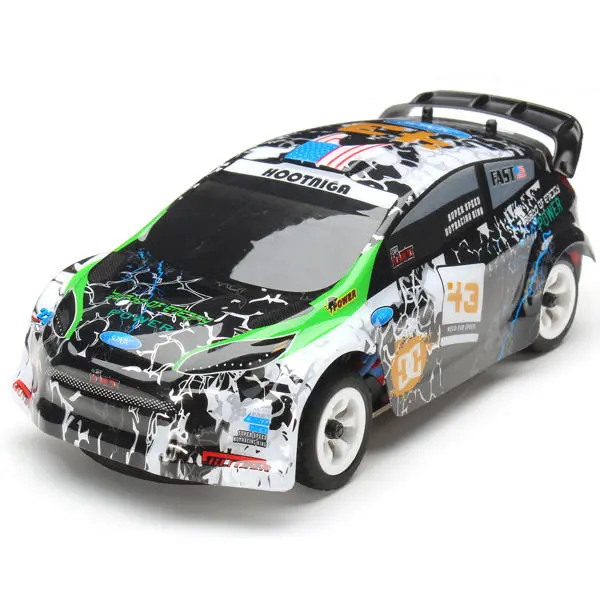
WLtoys K989 2.4G RC mini drift car
£36.99£55.99
In stock
 Save 11%
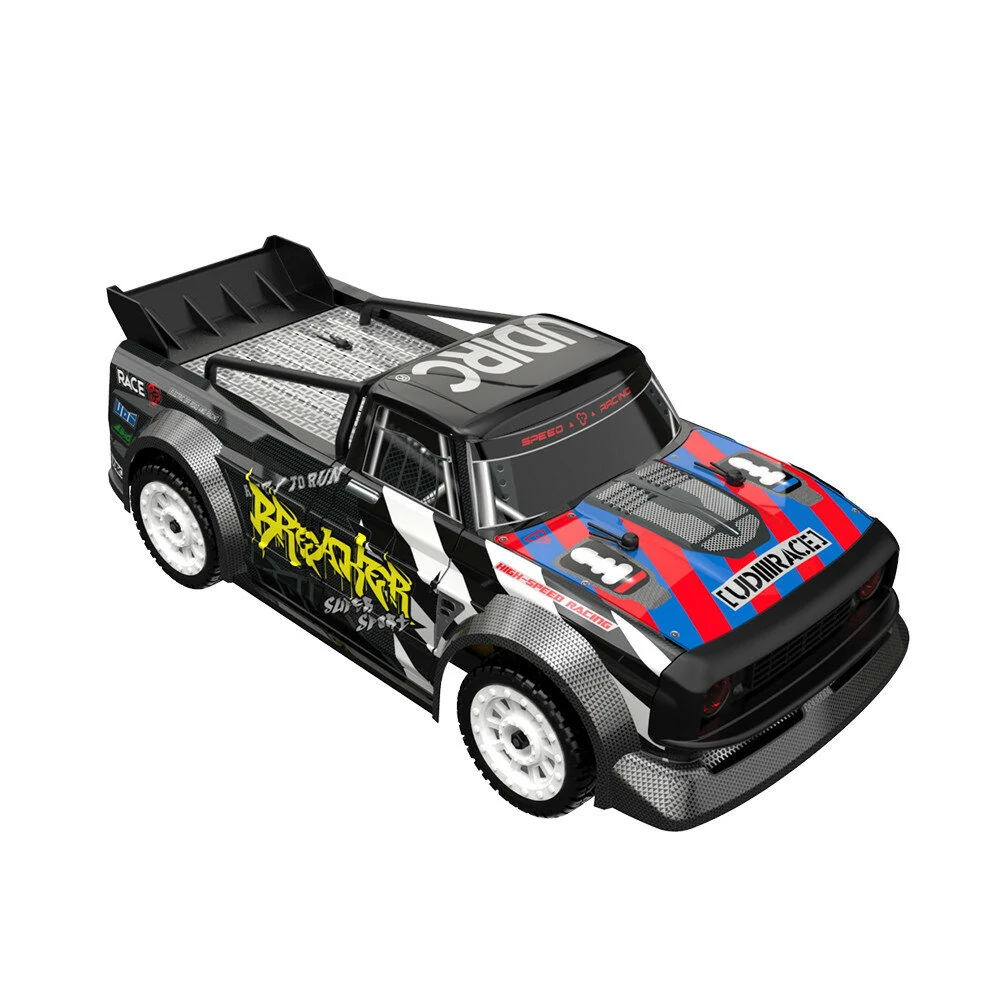
UDIRC 1601 Pro Brushless 60km/h Upgraded RTR 4WD RC Car
£79.99£89.99
In stock
 Save 29%
Keep reading · Guides
Drift motor and ESC pairing, decoded
Match the motor and ESC correctly and the car feels like an extension of your thumb. Match them wrong and you lose the evening to cutouts.
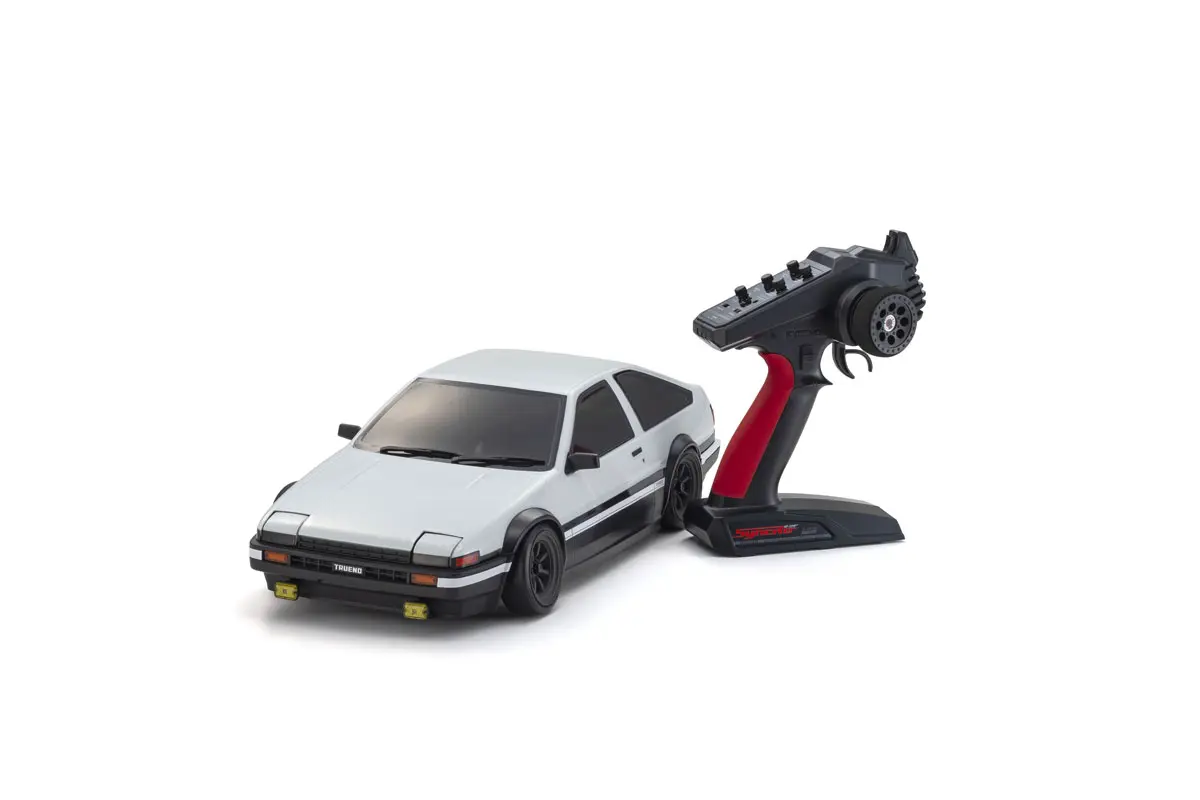
Counter-steer and wheel angle, the setup nobody explains
The single most misunderstood setup variable in drift — and probably the reason your car looks awkward in the fastest corners.
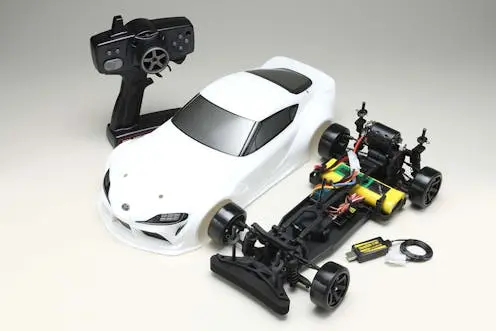
Your first RC drift carpet night: the packing list
A practical kit list so you drive rather than borrow tools all evening. Car, tyres, tools, spares, and what not to bother bringing.