Counter-steer and wheel angle, the setup nobody explains
The single most misunderstood setup variable in drift — and probably the reason your car looks awkward in the fastest corners.
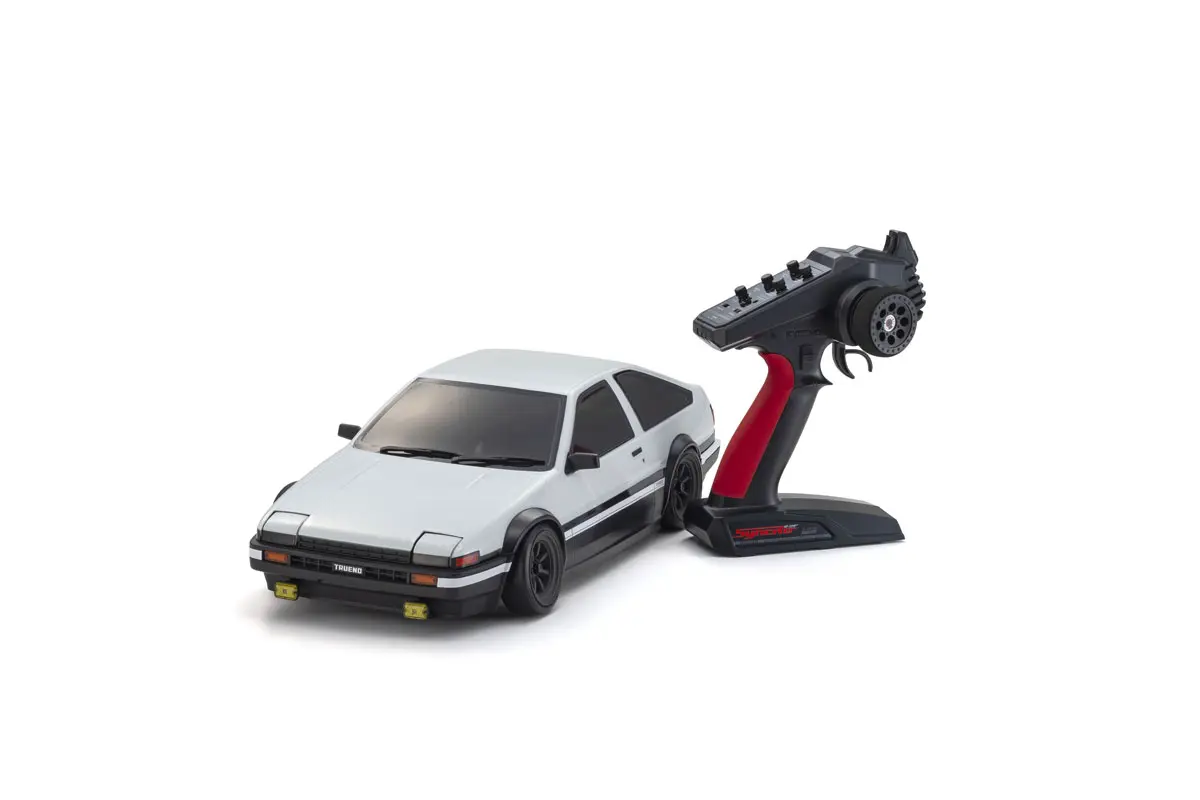
Counter-steer — "CS" — is how far the front wheels can steer in the opposite direction to the car's rotation. It is the single most misunderstood setup variable in drift, and it is probably the reason your car looks awkward in the fastest corners.
What CS actually is
When a drift car is sliding sideways, the front wheels need to steer the opposite way to hold the line. A stock car might let the wheels rotate to about 40° of counter-steer. A competition car typically runs 50–60°. An extreme chassis runs 70° or more.
Up to a point, more CS = more angle holdable = more aggressive runs without binding. Past that point, more CS starts hurting on-power entry.
How to measure yours
Lift the car onto a box, steer to full lock one way, and measure the angle between the inner wheel and straight-ahead with a digital protractor app. That number is your CS. The outer wheel will always be slightly less — this is Ackermann, and it is intentional.
How to get more CS
Three levers:
1. Steering blocks — most kits have optional blocks with different arm geometries. A 20° extended block can add 10° of CS without changing anything else. 2. Tie rod length — shorter tie rods = more CS. Also quicker turn-in. Also twitchier on entry. Trade-off city. 3. Bump stops and chassis clearance — a wheel that hits the arm or body peg before full lock is limiting your CS mechanically. Check with the arm fully extended.
When more CS hurts
Above roughly 65° the front wheels become inefficient on initiation — the slip angle is so extreme that the tyres are dragging rather than steering. The car will feel lazy on power-on entry. If your car is slow to initiate, CS is likely too high, not too low.
Ackermann, quickly
Ackermann is the difference in steering angle between the inner and outer front wheels when cornering. Drift cars run reverse Ackermann — outer wheel turns less — to let the sliding car rotate cleanly. Every modern drift chassis has this built in. Do not change it unless you know what you are doing.
A sensible starting-point
CS 55°, tie rod factory length, Ackermann factory, EPA at 100%, servo endpoints at mechanical max. Drive for a week. Then adjust one variable at a time and write down what each change feels like.
What this is worth
About 15% of your lap composure in a competition. More than a new servo. Less than a new driver. Free if you already own the chassis.
Kit to build what you just read
All drift gear →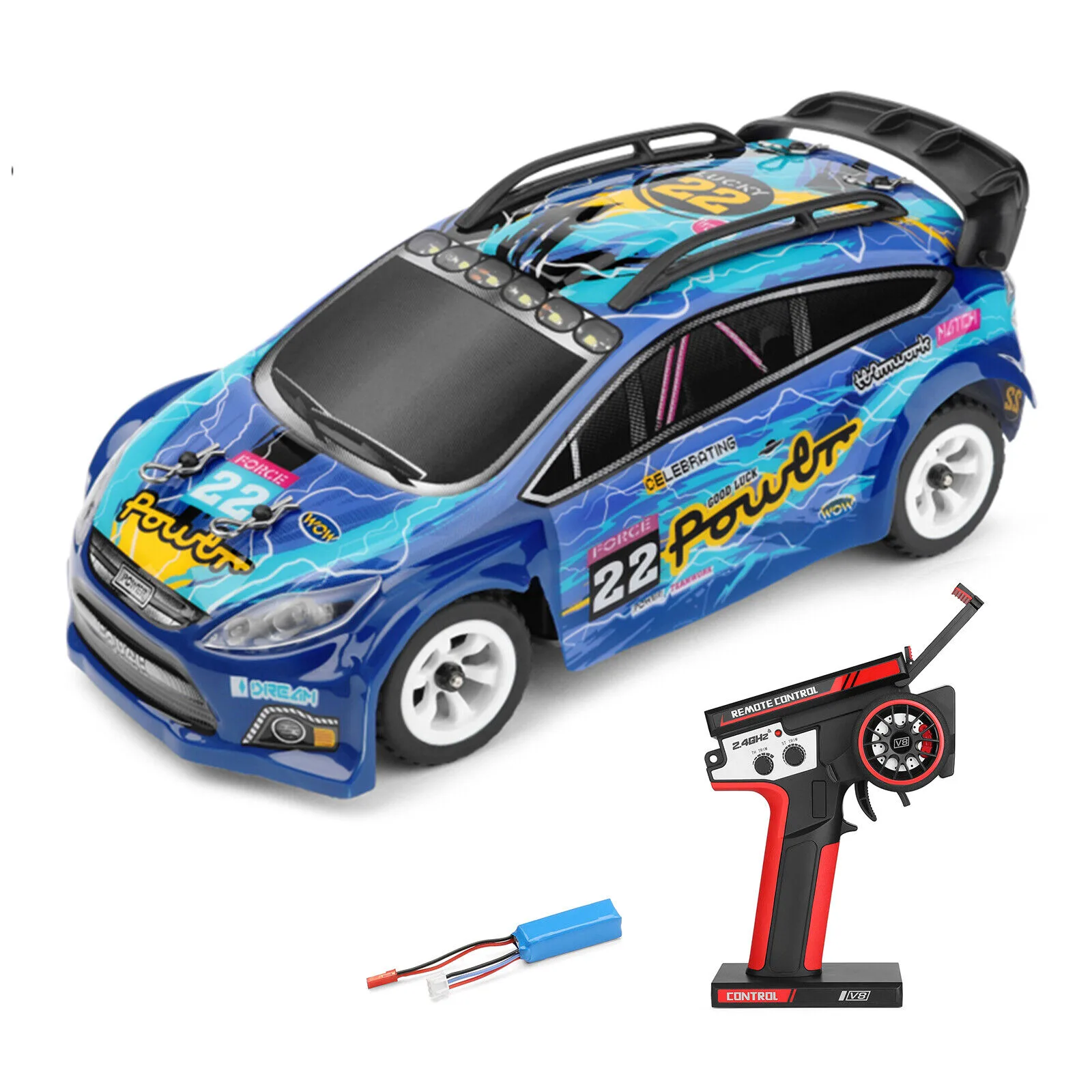 Save 25%
WLtoys 284010 2.4G RC mini drift car
£41.99£55.99
In stock
 Save 34%
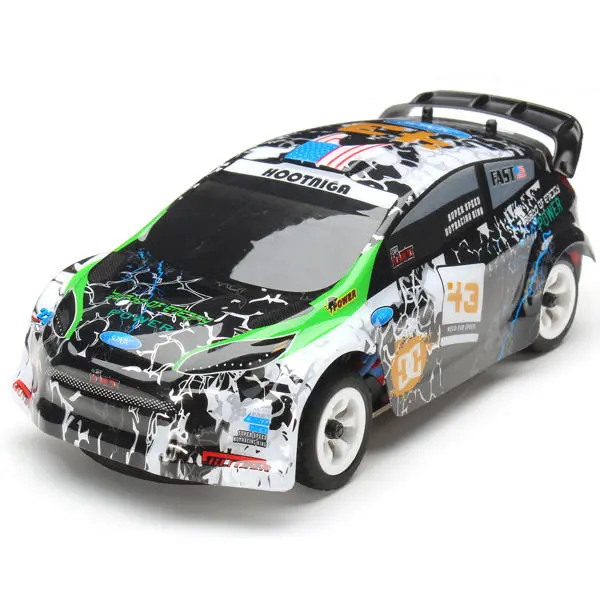
WLtoys K989 2.4G RC mini drift car
£36.99£55.99
In stock
 Save 11%
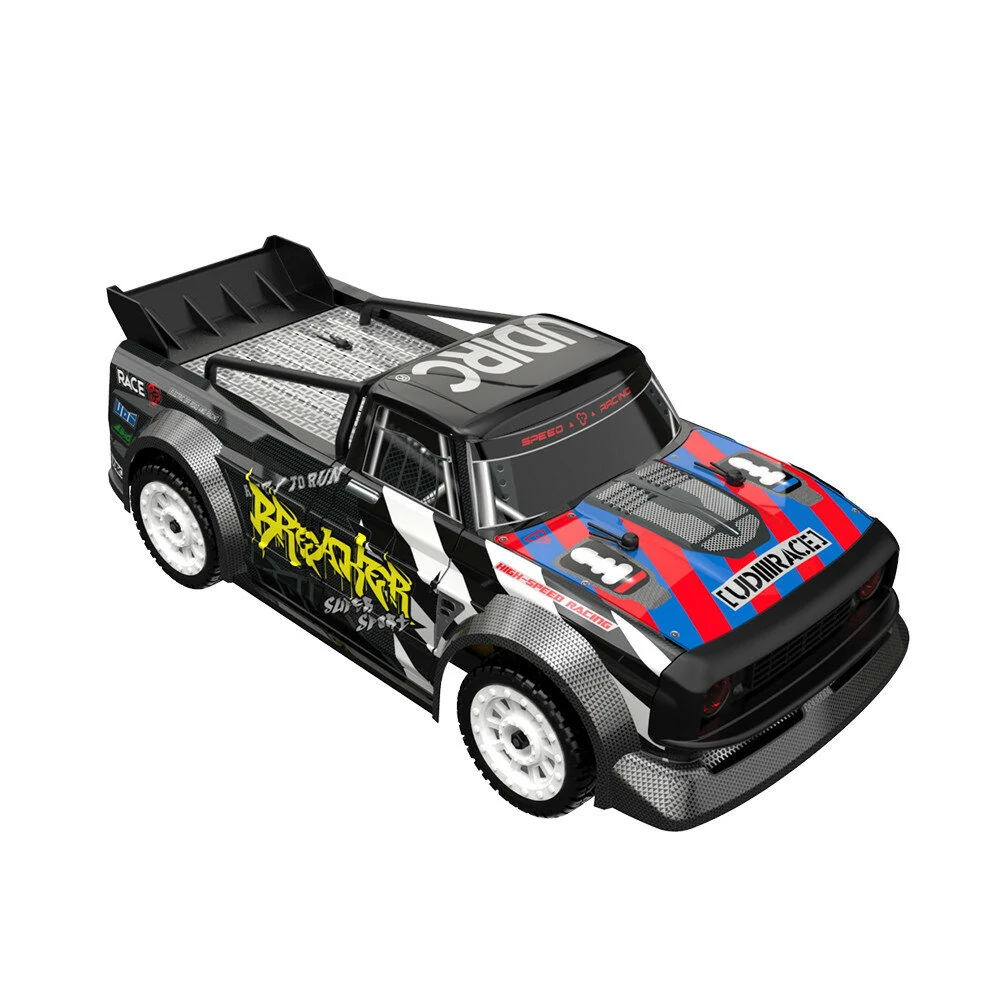
UDIRC 1601 Pro Brushless 60km/h Upgraded RTR 4WD RC Car
£79.99£89.99
In stock
 Save 29%
Keep reading · Guides
Drift motor and ESC pairing, decoded
Match the motor and ESC correctly and the car feels like an extension of your thumb. Match them wrong and you lose the evening to cutouts.
Your first RC drift carpet night: the packing list
A practical kit list so you drive rather than borrow tools all evening. Car, tyres, tools, spares, and what not to bother bringing.
Drift tyres, explained: why that chunk of plastic costs £14
Compounds, shore hardness, CS, P6, ABS tubes and why the tyre is the single variable that decides whether you have a good night.