Drift motor and ESC pairing, decoded
Match the motor and ESC correctly and the car feels like an extension of your thumb. Match them wrong and you lose the evening to cutouts.
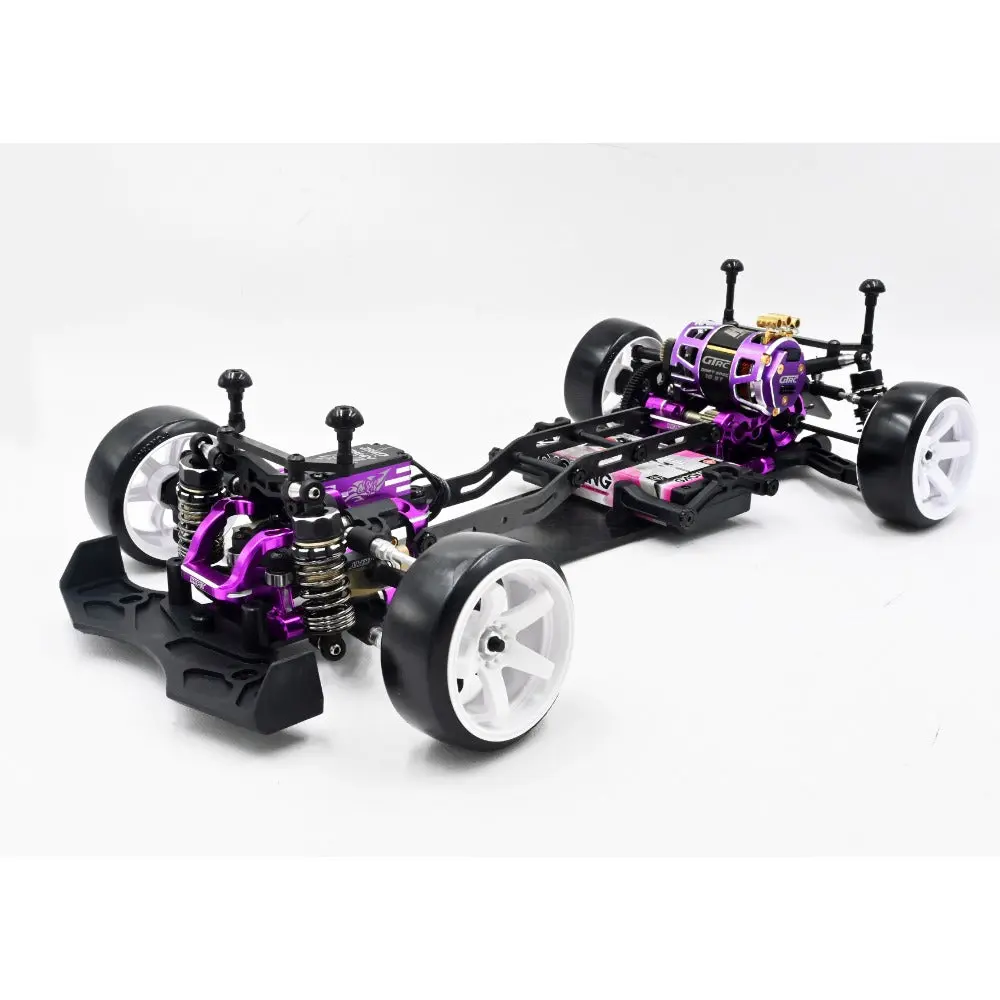
Match the motor and the ESC correctly and the car feels like an extension of your thumb. Match them wrong and the ESC either cuts out mid-run or gives you nothing above quarter throttle. This is the cheapest and most overlooked setup decision in RC drift.
Motor, in one variable
The number that matters is the turn count ("T"). Lower T = more powerful, hotter-running. Higher T = less powerful, more controllable. Standard drift sweet-spot is 10.5T (experienced drivers, carpet) and 13.5T–17.5T (everyone else).
Sensored brushless is the default in 2026. Sensorless motors exist and are cheaper, but the cogging at low throttle makes them miserable in drift — you want a sensor cable. Brushed motors are obsolete outside nostalgia builds.
ESC, in two variables
Current rating must exceed motor peak draw under load. A 17.5T motor draws about 60A peak; a 10.5T draws 80A and up. Pair a 17.5T with an ESC rated 60–80A; a 10.5T with 100A+. Running within 10A of peak is how ESCs die.
Drift mode is a real feature, not marketing. It smooths the throttle curve through the low-end range and prevents the wheel-spin spike that a racing ESC delivers. Hobbywing, MuchMore and Tekin all do good drift modes. If your ESC does not have one, it is a racing ESC and it will fight you every evening.
Timing advance
Leave it at zero. Advance timing only after you have spent a month at the track, understand what it does, and want more top-end. Almost every ESC failure we see in the workshop is a novice running advance they did not need, pulling current they could not handle.
Batteries
2S LiPo at 65–80C is the drift standard. Capacity 4,000–5,200 mAh is plenty for a 30-minute session. Shorty packs (~3,500 mAh) fit most modern chassis layouts. Never run 3S unless the ESC and motor are specifically rated for it — they usually are not.
Sensible pairings
Beginner (AWD): 17.5T sensored brushless + 80A ESC with drift mode + 2S 5,200mAh 65C. About £100 total. Club level (RWD or AWD): 13.5T sensored brushless + 100A ESC + 2S shorty 4,000mAh 80C. About £150 total. Competition: 10.5T + premium 120A ESC with tuneable throttle curve + matched pair of shorty packs. £250 and up.
Signs of a bad pairing
ESC cuts out mid-run → undersized ESC, or an overheated pack. ESC stutters at half throttle → sensor cable fault. Motor burning smell after 10 minutes → excess timing, or a stuck cooling fan. None of these are mysterious; all are avoidable.
Kit to build what you just read
All drift gear →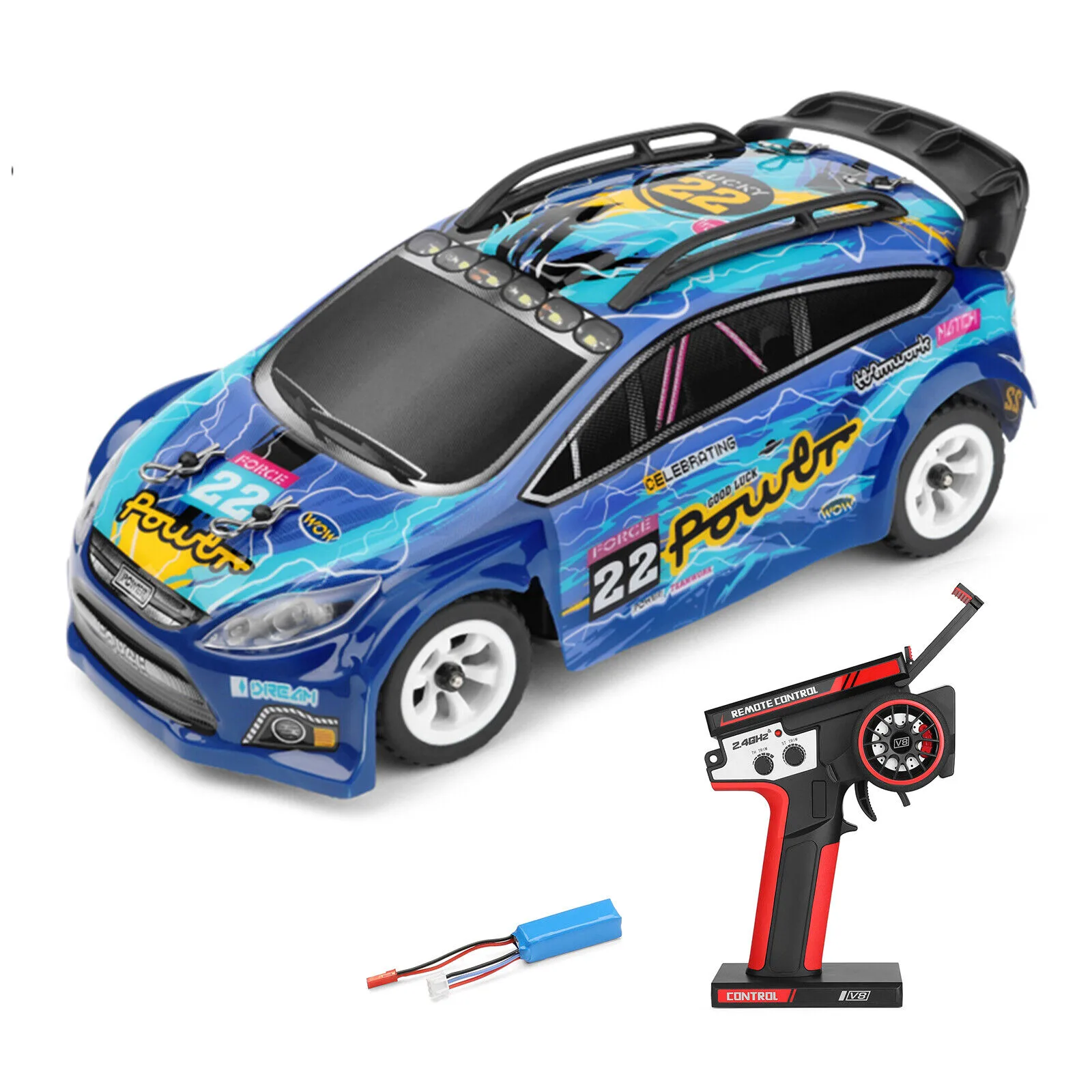 Save 25%
WLtoys 284010 2.4G RC mini drift car
£41.99£55.99
In stock
 Save 34%
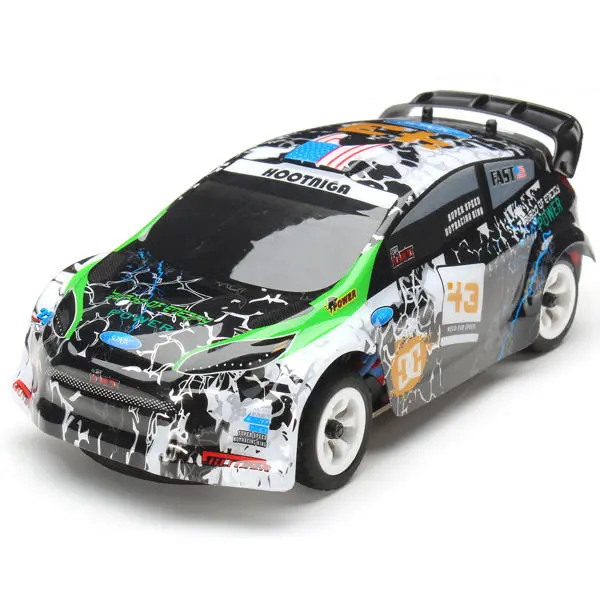
WLtoys K989 2.4G RC mini drift car
£36.99£55.99
In stock
 Save 11%
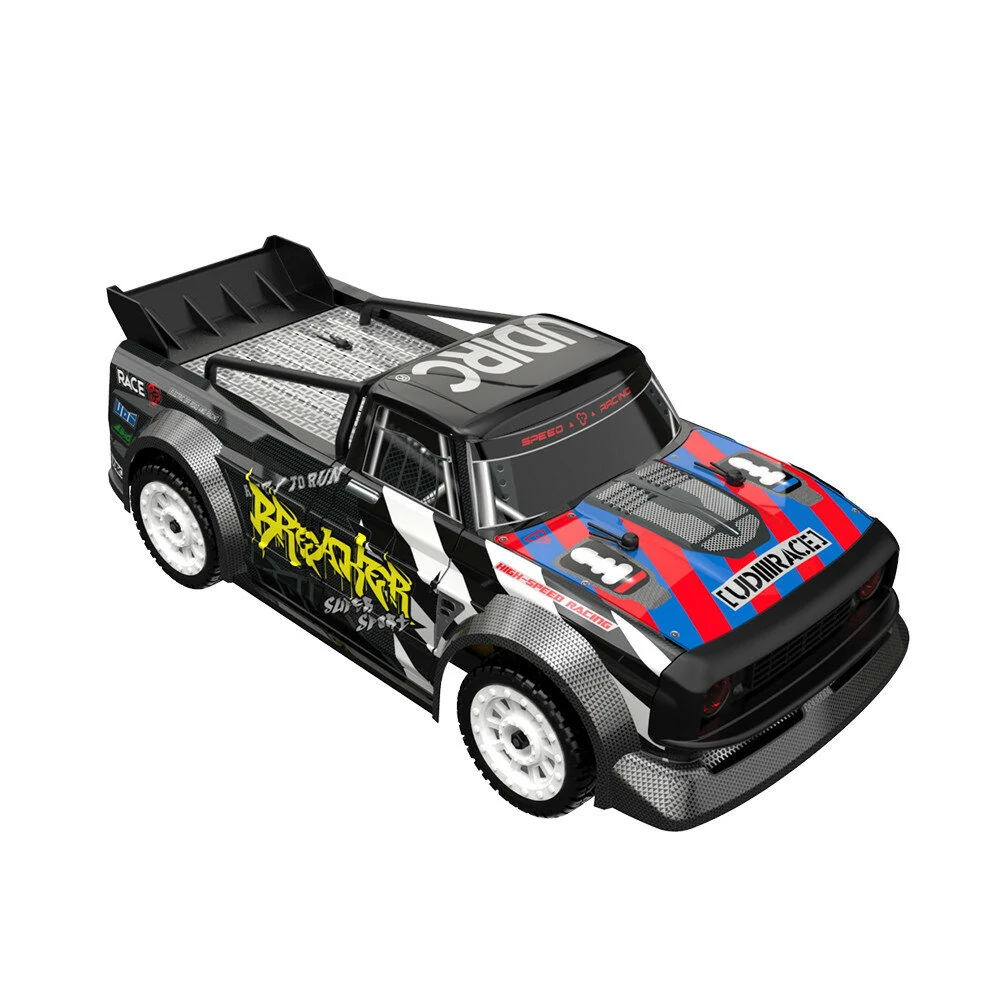
UDIRC 1601 Pro Brushless 60km/h Upgraded RTR 4WD RC Car
£79.99£89.99
In stock
 Save 29%
Keep reading · Guides
Counter-steer and wheel angle, the setup nobody explains
The single most misunderstood setup variable in drift — and probably the reason your car looks awkward in the fastest corners.
Your first RC drift carpet night: the packing list
A practical kit list so you drive rather than borrow tools all evening. Car, tyres, tools, spares, and what not to bother bringing.
Drift tyres, explained: why that chunk of plastic costs £14
Compounds, shore hardness, CS, P6, ABS tubes and why the tyre is the single variable that decides whether you have a good night.