What is RC drifting, and why it hooks people instantly
A scale discipline obsessed with throttle control, tyre physics and holding a line nobody asked you to hold. An introduction for the curious.
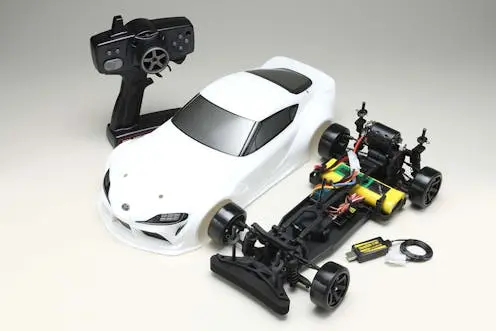
RC drifting is, on paper, an absurd pastime. You take a 1:10 scale car, fit it with tyres that have the grip of a polished floor, and then spend hours learning to make it slide predictably around a corner you could have walked in under a second. On paper. In practice it is the most skill-dense discipline in radio-controlled cars, and the closest thing scale motorsport has to a living art form.
The short definition
Drifting in RC is the deliberate, sustained, controlled loss of rear grip while maintaining forward momentum through a corner. The car is sideways — often absurdly sideways — but it is never out of control. A driver who is drifting well looks calm, even bored, while their car appears to be committing a low-speed crime.
Why it is different from racing
In racing you are trying to lose as little time to physics as possible. In drifting you are staging physics for an audience. A race lap and a drift run can cover the exact same track, and the winning answer is completely different. Racing rewards minimum time. Drifting rewards line, angle, speed and style — the four variables judges at a competition will read you on.
What you need to start
A dedicated drift chassis, a low-grip surface (smooth tarmac or indoor carpet), a transmitter with throttle curve adjustment, and a willingness to stop before you destroy your first set of tyres. Most newcomers start with an RWD chassis because it is how the real cars drift; AWD is more forgiving and still very popular in the UK scene.
The UK scene, in one paragraph
There is a healthy calendar of indoor tracks, drift nights in converted warehouses, and a steady stream of Yokomo, MST, Sakura and Usukani cars at every meet. Body shells range from JZX100s to R34s to the occasional Mini van. Sessions are social, tyre-heavy, and full of opinions about hand brakes. You will hear the word "stance" more than is strictly necessary.
Where to go from here
If you have read this far, start with three articles: our tyre explainer, the gyro setup guide, and the Yokomo YD-2 SX3 review. Between them they cover the three questions every new driver asks in their first month.
Kit to build what you just read
All drift gear →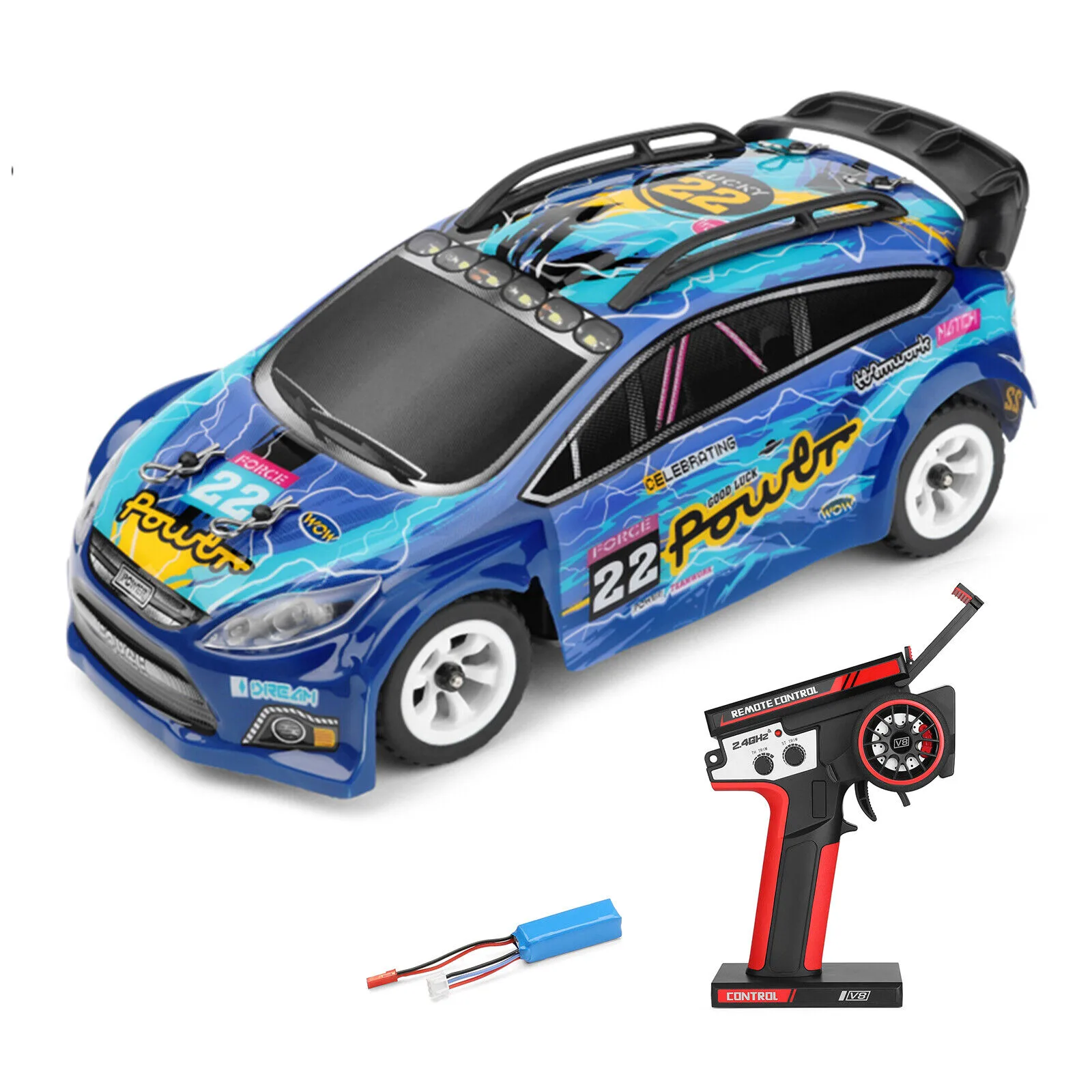 Save 25%
WLtoys 284010 2.4G RC mini drift car
£41.99£55.99
In stock
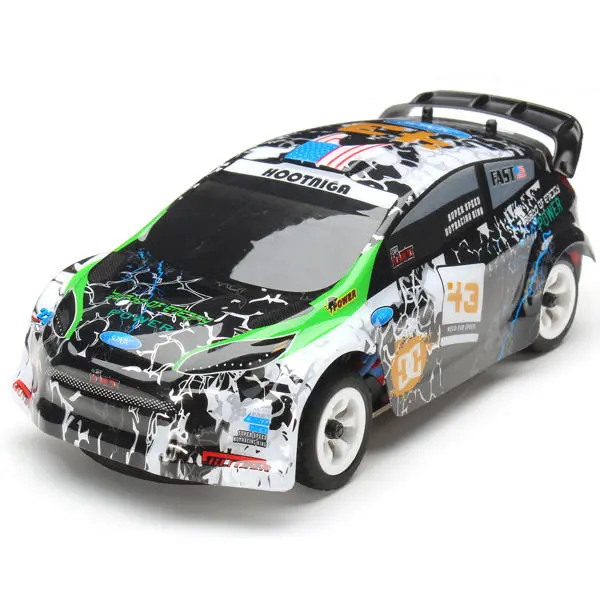 Save 34%
WLtoys K989 2.4G RC mini drift car
£36.99£55.99
In stock
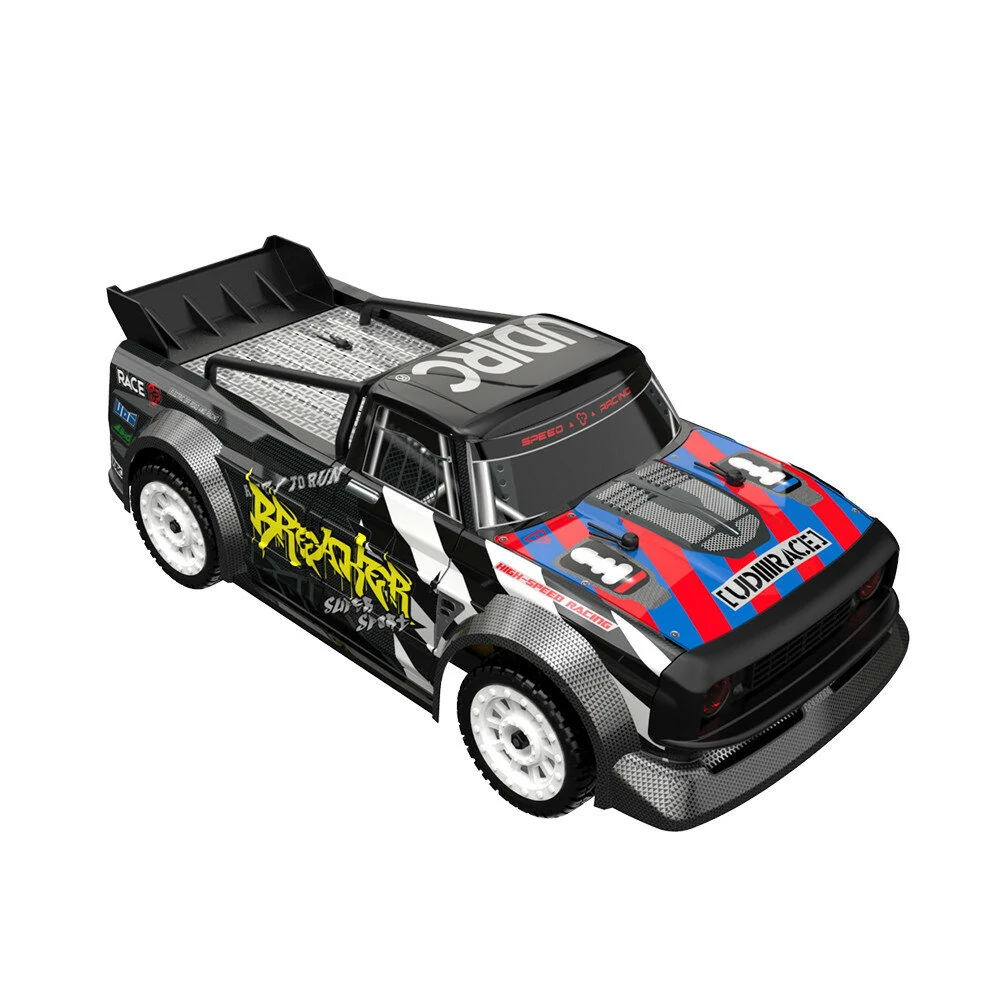 Save 11%
UDIRC 1601 Pro Brushless 60km/h Upgraded RTR 4WD RC Car
£79.99£89.99
In stock
 Save 29%
Keep reading · Beginners
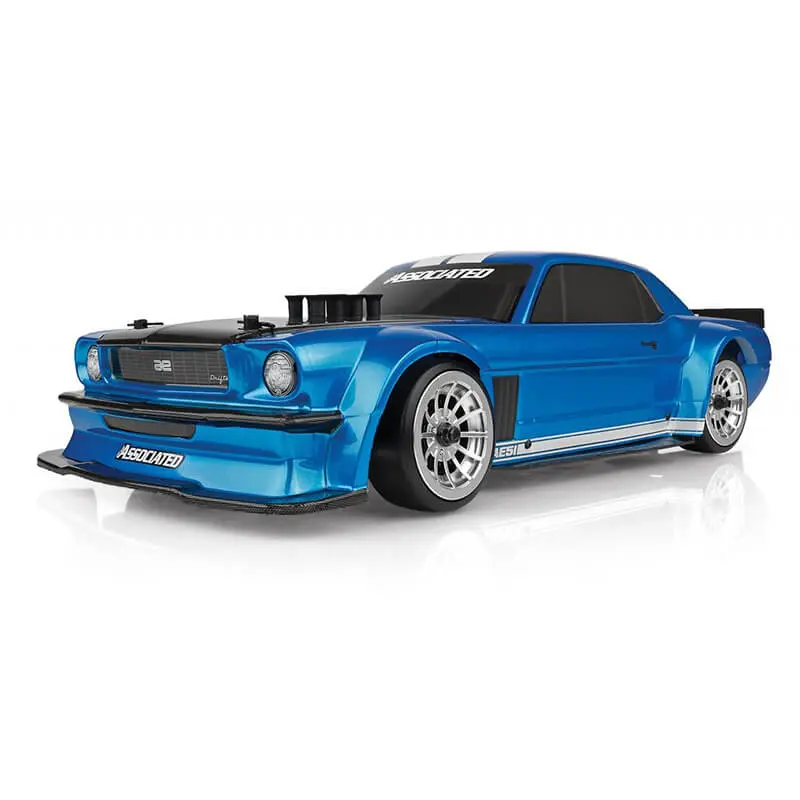
The RC drift glossary: every term, decoded
Ten minutes near a drift track and you will hear at least four terms you do not recognise. This is the translation, without jargon.
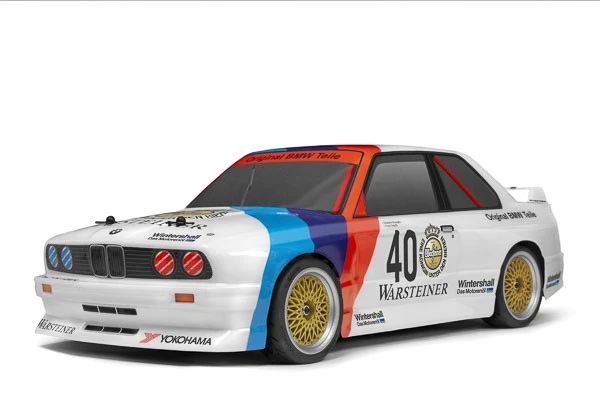
Your first £400 RC drift build, parts list included
£400 is the realistic floor for a drift car you will still be running in a year. Below that, you are upgrading within the month.
RWD vs AWD: which drift chassis should you actually buy?
The honest version — not the forum version. Who should buy RWD, who should buy AWD, and why the answer has changed in the last two years.