The UK's best RC drift tracks, 2026 edition
A guide to what makes a good UK indoor drift venue, and how to find the one near you. The scene moves too fast for a fixed list.
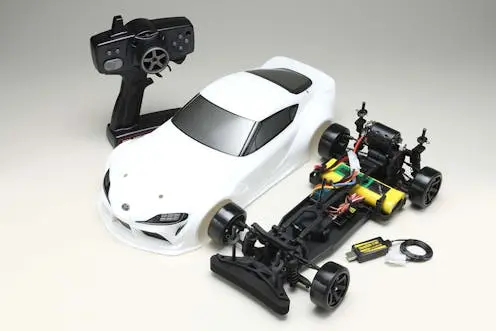
RC drift tracks in the UK are almost all indoor carpet venues, run by small clubs or enthusiasts who found a spare warehouse. This is a guide to what makes a good one, and how to find yours — rather than a fixed list, because the scene moves quickly enough that a list would be out of date before it published.
What a good drift venue looks like
Surface: carpet, preferably cut-pile, laid on a clean concrete floor. Avoid loop-pile — it abrades tyres too fast. Polished concrete works but eats tyres in a single session. Tarmac is rare indoors and generally not worth travelling for.
Track layout: long sweepers for initiation practice, at least one S-bend for transitions, a meaningful long straight for line-up. The best tracks have at least three distinct corner shapes.
Lighting: bright enough to see panel lines on your car from the other side of the track. Most UK venues use LED floodlights now; some older halls are still on fluorescent, which strobes in slow-motion footage and is tiring to drive under.
Driver's stand: raised, with a clear sight line over the track. More important than people realise — driving from ground level doubles your reaction time on transitions.
Pit benches: enough space to set down a charger, two batteries and your car with room to work. Bring a towel for the table if the venue shares benches.
What a good drift club looks like
A healthy club runs at least two sessions a week, has a mixed roster (RWD and AWD, beginners and experienced), and has someone at the door who introduces newcomers. Clubs that charge £10–£20 for a 3-hour session are the norm.
Ask three questions before you travel:
1. Do you run open tracks or timed sessions? 2. Is there a beginner lane at the same time as the main track? 3. Can I borrow a spare battery if mine dies? (The answer should be yes, always.)
Where to find them
The UK RC drift scene lives on Facebook groups (every region has one, usually called "[City] RC Drift"), regional Discord servers, and the occasional Instagram account. The largest groups have 500+ active members and a pinned post with upcoming meet dates.
Forums (RCTalk, RC-Tech) still have UK sections; they are quieter than they were five years ago but the information is accurate.
What to do on your first visit
Pay, sign in, introduce yourself to whoever is running the desk. Spend 10 minutes watching the fast drivers before you touch your transmitter. Do not run your first laps on the main track at speed — use the warm-up area if there is one. Drive for 30 minutes, charge a battery, talk to the person on the bench next to you. Do it again.
One trick
Most venues will let you run a scheduled "beginner hour" for a reduced fee if you turn up early. Ask. You will get more practice and fewer opinions at the same time.
Kit to build what you just read
All drift gear →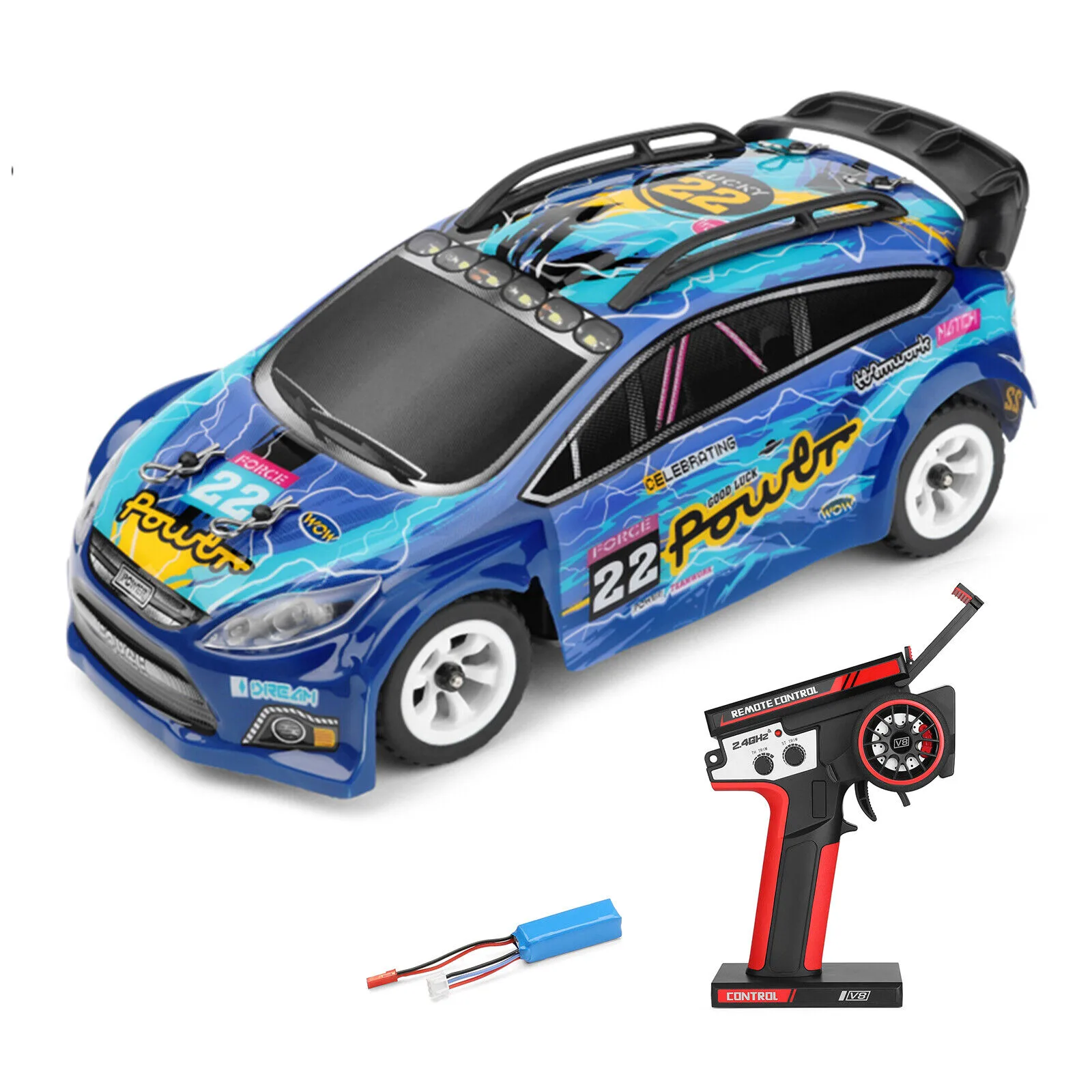 Save 25%
WLtoys 284010 2.4G RC mini drift car
£41.99£55.99
In stock
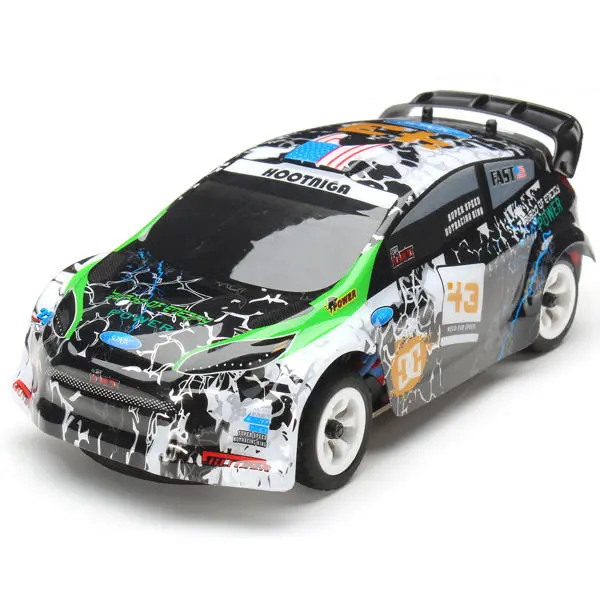 Save 34%
WLtoys K989 2.4G RC mini drift car
£36.99£55.99
In stock
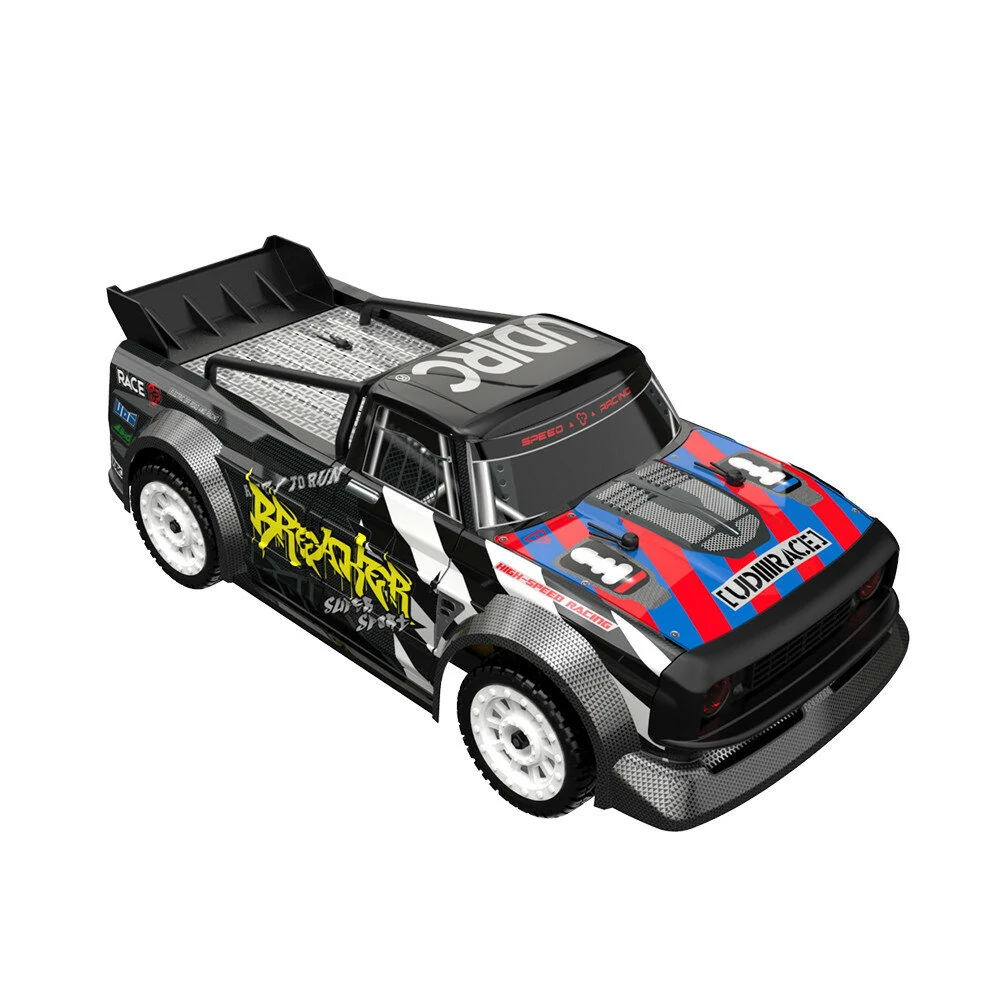 Save 11%
UDIRC 1601 Pro Brushless 60km/h Upgraded RTR 4WD RC Car
£79.99£89.99
In stock
 Save 29%