MST RMX 2.5, reviewed: the AWD chassis everyone copies
It is not a reinvention — but the 2.5 has closed the gap to RWD feel more than any AWD drift chassis before it. A full review.
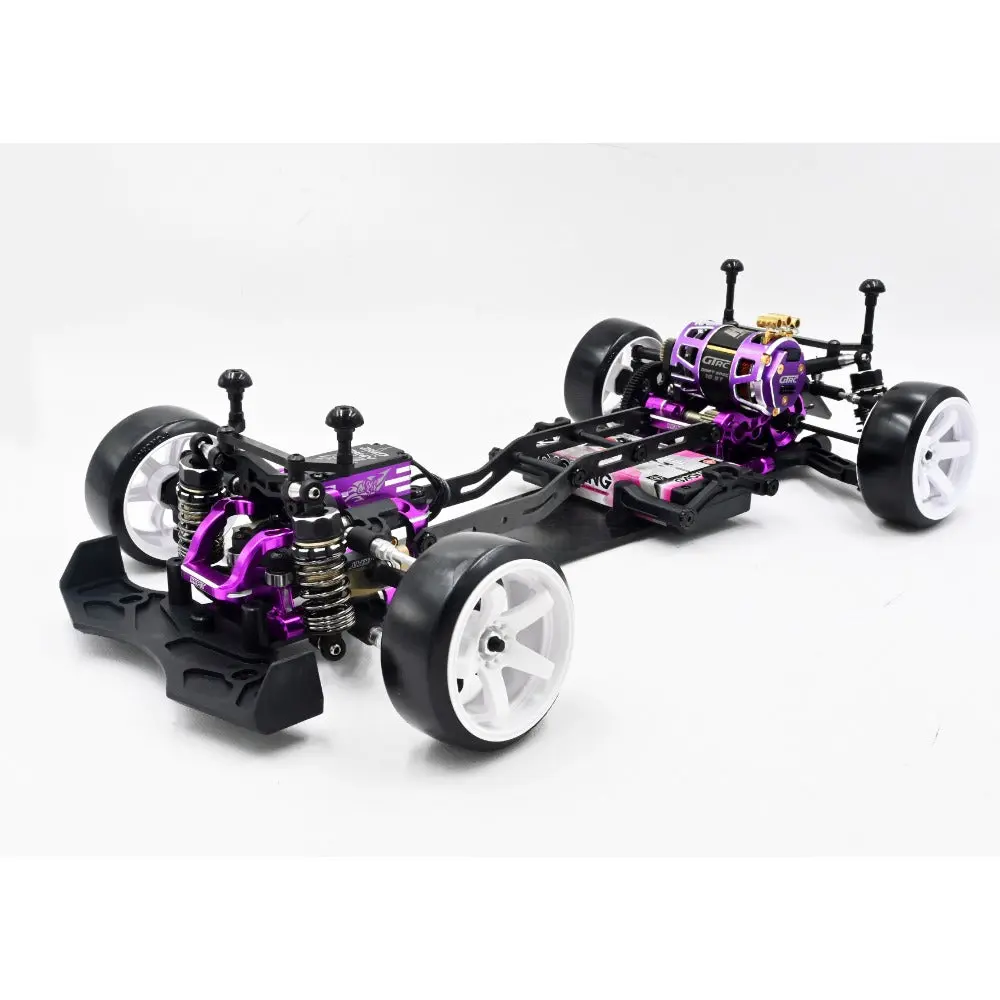
The RMX line has been the default recommendation for AWD drift so long that most people forget it used to feel vague. The 2.5 is the version that settles that argument. This is not a reinvention — it is a tightening — but the tightening is significant enough that anyone still running a 2.0 should read this before they buy another set of tyres.
What has changed from the 2.0
The 2.5 inherits the 2.0's belt-driven 4WD layout and most of its arm geometry, but the kingpin lean is slightly more aggressive and the motor mount has been reworked to give a wider clearance for 540-class cans. Belt tension is now set from a single adjuster rather than the shim stack the 2.0 needed, which removes one of the most common setup headaches on the old car. The top deck is stiffer and the battery tray now takes shorty packs cleanly.
How it drives
On 38-shore CS tyres, fresh carpet, a 10.5T brushless combo and a mid-range gyro, the 2.5 feels uncannily light on initiation. Where the 2.0 would gradually shift its weight through a transition — confident, but never fast — the 2.5 moves mid-pivot, with a much closer feel to a well-sorted YD-2 than the 2.0 ever managed. On tarmac the difference is smaller; the 2.5 is slightly more composed on bumps, but both cars are spending most of their time looking for grip.
What it does not do
It does not make a bad driver into a good one. The 2.5 rewards clean inputs more than the 2.0, which means lazy throttle work shows up faster. For a second AWD this is fine. For an absolute beginner it is a minor tax on the first month.
Who it is for
AWD drivers tired of the "training wheels" reputation AWD has historically dragged around. New drivers on an indoor carpet track, looking for a chassis that will carry them from first sessions through to competition without an upgrade. RWD drivers curious about AWD who want a platform that won't bore them after a fortnight.
Verdict
If you already own a 2.0, the 2.5 is a mild upgrade and your money is better spent on tyres and practice. If you are buying your first AWD drift car in 2026, skip the 2.0, buy the 2.5, and put the difference towards a proper gyro and a low-profile servo. It is the AWD platform we fit most often for first builds this year, and it will be the one most club racers are lapping you with.
What to run with it
17.5T brushless combo for a beginner, 10.5T once you want to push, a 0.07s low-profile drift servo, a mid-range gyro with remote dial assigned to channel 3, and at least two sets of CS tyres with ABS inserts. A sensible first build lands just under £400 — see our first-£400 build walkthrough for the exact parts list.
Kit to build what you just read
All drift gear →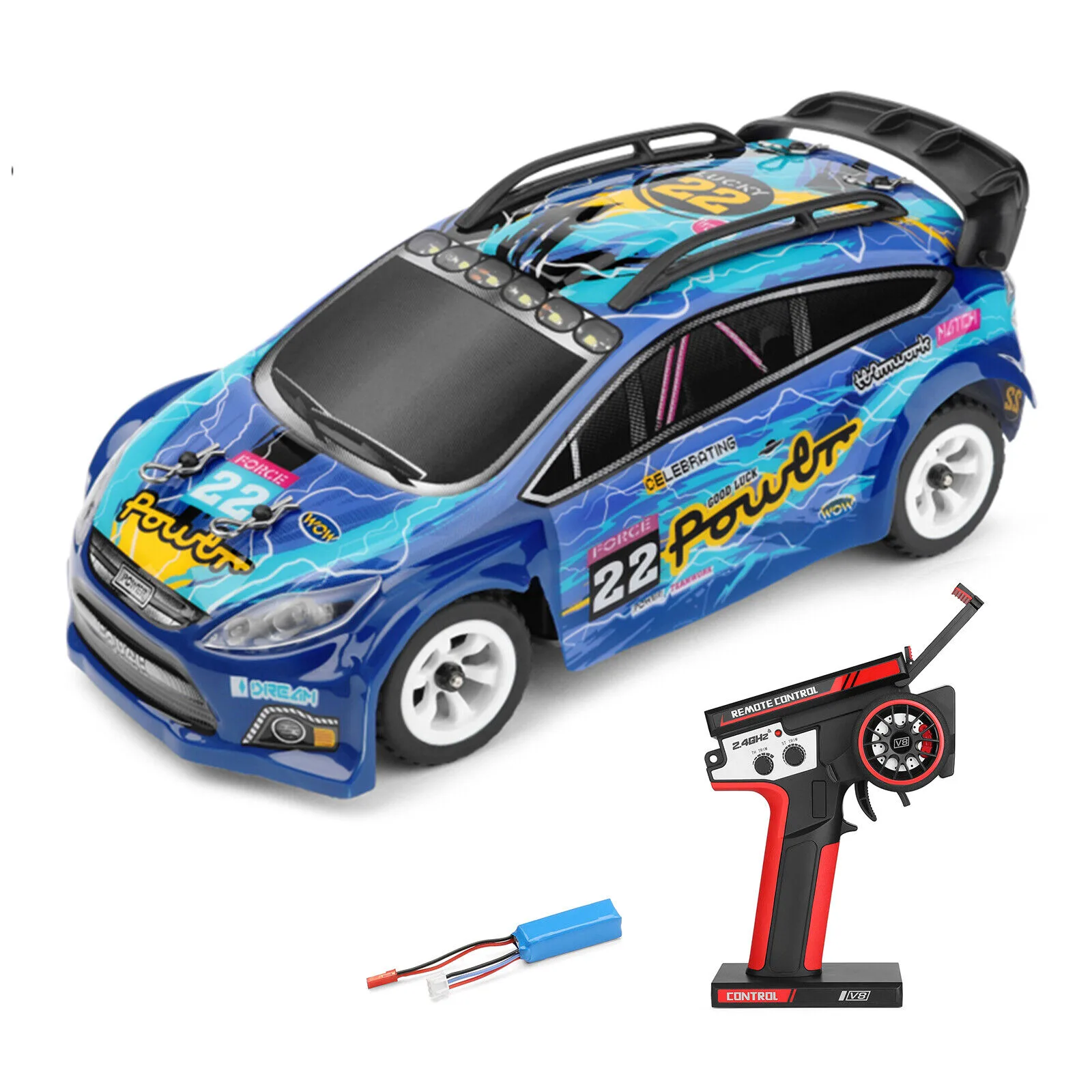 Save 25%
WLtoys 284010 2.4G RC mini drift car
£41.99£55.99
In stock
 Save 34%
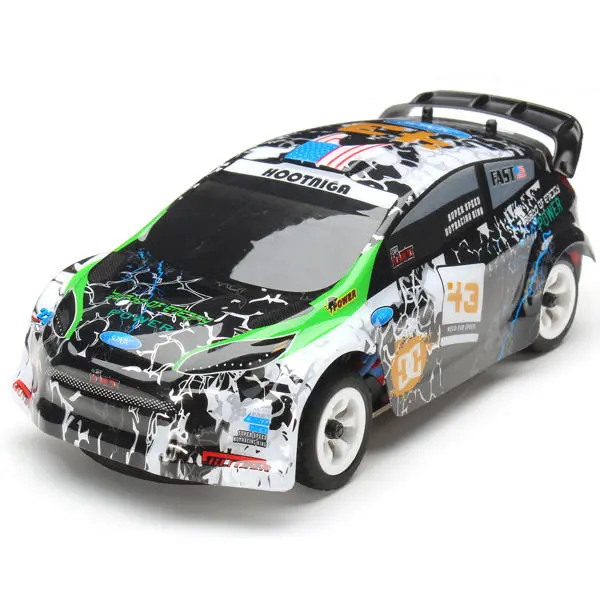
WLtoys K989 2.4G RC mini drift car
£36.99£55.99
In stock
 Save 11%
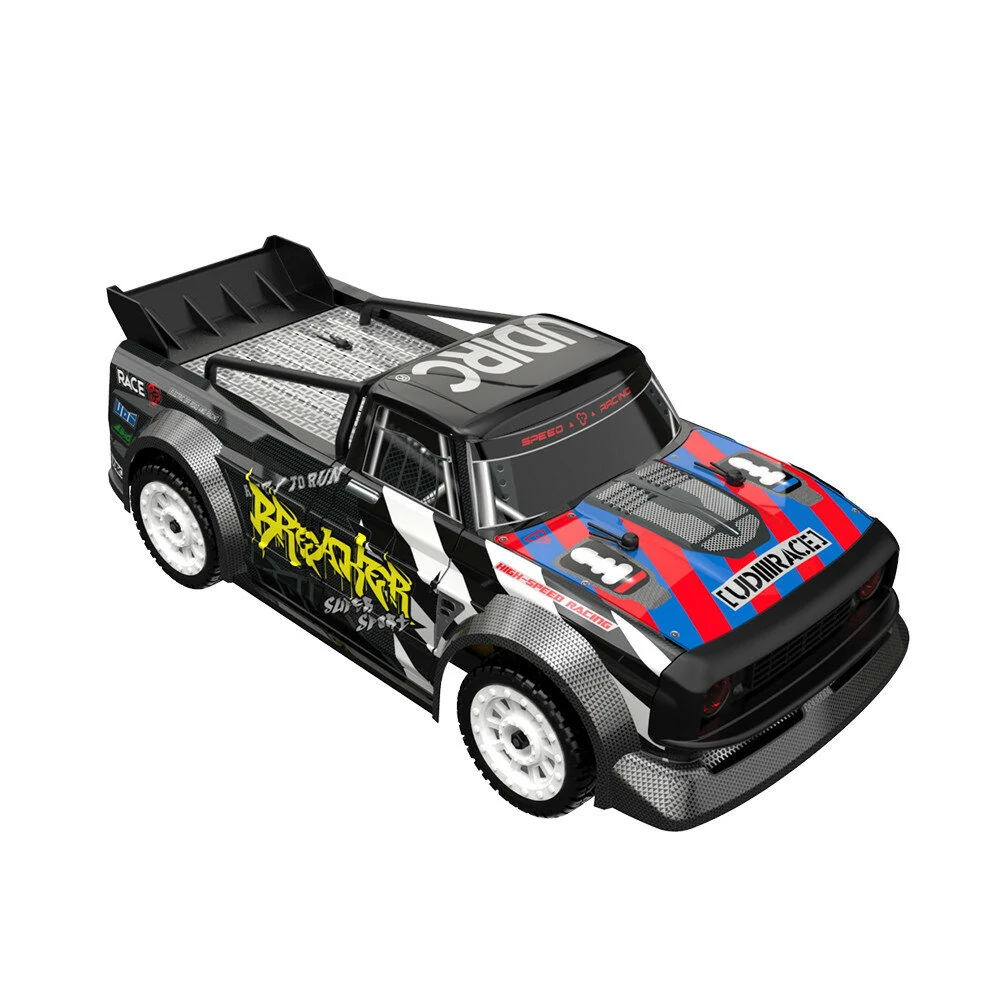
UDIRC 1601 Pro Brushless 60km/h Upgraded RTR 4WD RC Car
£79.99£89.99
In stock
 Save 29%
Keep reading · Reviews
Sakura D5S, reviewed: the £160 RWD that still wins club nights
The cheapest good RWD drift chassis currently on sale in the UK. Cheap does not mean compromised — the D5S earns its keep.
Overdose Galm Ver.3: the JDM benchmark, reviewed
Overdose treats an RC drift car as a machined object first and a toy second. The Galm Ver.3 is the argument for that view.
The best RC drift body shells to buy in 2026
The body shell is the cheapest part of a drift car and the single most visible thing on it. Buy it right and the car looks like yours.